Ocean Strategies is a public affairs firm specializing in seafood, fisheries and marine resources.
This report provides a perspective and recent analysis from our Principal Brett Veerhusen.
Sign up here to receive our seasonal policy reports.
From Seattle Ocean Week to Pacific Marine Expo
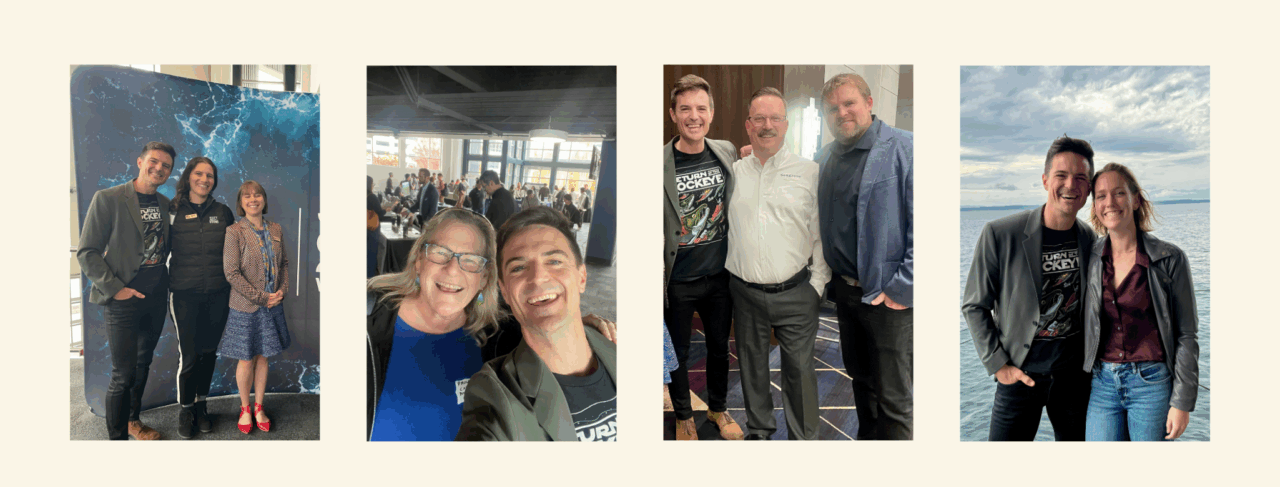
This November delivered an unusual back-to-back: Seattle’s first One Ocean Week followed immediately by Pacific Marine Expo. Seeing them side-by-side made something obvious—wild capture, aquaculture, processors, ports, shipbuilders, and the broader maritime sector are all dealing with the same pressures. If we’re serious about staying competitive in the global seafood and maritime economy, we have to stop acting like separate worlds and start solving problems together.
One Ocean Week—thanks to the vision and heavy lift from Maritime Blue—finally elevated seafood into the broader maritime strategy conversation. The week highlighted aging infrastructure, workforce shortages, and the reality that America is competing globally with maritime infrastructure that predates the internet era. Yet the tone was unmistakably hopeful. Speakers called for shared cold-chain upgrades, modernized shipyards, and a stronger national strategy that integrates seafood rather than treating it as peripheral. For the first time in my memory, seafood held equal footing with ports, shipyards, and maritime logistics. It was refreshing.
Stepping into Pacific Marine Expo with that lens, I saw the seafood sector beginning to make the same shift internally. Conversations weren’t dominated by re-hashing old fish fights or fine-tuning legacy statutes. Instead, people were talking about long-term competitiveness: markets, trade barriers, infrastructure needs, and the ingredients of a shared sector vision. It felt like PME was finally lifting its gaze toward the next 10–20 years. That’s healthy. After decades of reactive policy posture, the emerging momentum is around treating seafood as food, aligning with agriculture, and advancing practical steps—like the new USDA Seafood Liaison—that set the table for the next generation of seafood policy.
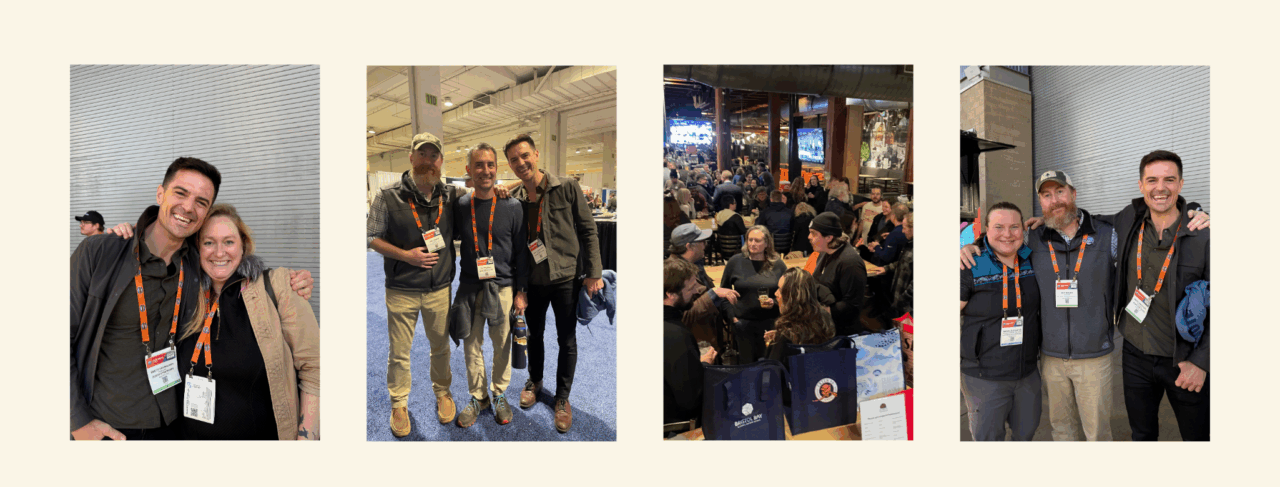
PME itself deserves credit—organizers pour an enormous amount of effort into making it happen every year. And the United Fishermen of Alaska booth once again felt like home base (don’t forget to become a UFA member!). But the pattern is hard to ignore: fewer captains, fewer crew, and far more “fishing professionals” (myself included). I might have even caught myself saying, “I used to commercial fish,” which is basically the industry’s version of “Yeah, I played varsity in high school.” If we want fishermen in attendance, we should keep lifting up opportunities for the next generation, like efforts by our friends at New England Young Fishermen’s Alliance.
Still, PME delivered. As Anna Nelson writes in The Quality Line, the quiet revolution in product quality is real: better handling, slurry-ice systems, vessels redesigned for consistency and shelf life. These upgrades strengthen our position in global markets far more than a press release ever could. Case in point: 2025 Highliner Erik Velsko — his commitment to quality over quantity, and his work with slurry-ice handling and premium landing standards, are exactly the kind of real improvements that show U.S. seafood can compete on global quality. I cannot recommend reading Anna’s thoughtful piece enough and checking out companies like Seremoni.
At both events, the Marine Aquaculture Research for America (MARA) Act popped up in conversations, and what surprised me was the lack of “hell no’s.” Quietly, folks saw opportunity—shoreside infrastructure, seafood marketing, and better support for NOAA science—so long as the bill includes a clear state opt-out provision. Clarifying the roles for councils within aquaculture permitting would help, too. Fishing-dependent communities want the ability to decide whether offshore aquaculture happens in adjacent federal waters. With that guardrail and updated language benefitting both wild capture and aquaculture, MARA could be a unifying tool rather than a wedge. You can read our fall 2025 MARA analysis here… and expect an updated analysis as momentum builds in 2026.
Across both events, one theme kept rising: lawmakers still don’t understand NOAA’s value. Shutdowns stall surveys and create immediate economic harm. NOAA isn’t a regulatory hurdle—it’s essential operating infrastructure for our national food system. We need to explain that better, louder, and more often.
Key Moments and Takeaways:
- Seafood is being recognized as food. Momentum is shifting toward aligning with agriculture, boosted by the new USDA Seafood Liaison.
- The industry is shifting from old policy battles toward a shared long-term vision. PME conversations focused less on legacy laws and more on competitiveness, market development, trade, and infrastructure needs.
- Quality is becoming our competitive edge. Innovations in handling and leaders like Erik Velsko are strengthening U.S. seafood in global markets.
- Could MARA actually move? With better state opt-out language, the bill could advance infrastructure, marketing, and NOAA science benefitting both wild capture and aquaculture.
- NOAA must be treated as essential infrastructure. Shutdowns cause immediate harm; Congress needs to understand NOAA’s value proposition.
As we close out 2025, I’m optimistic. One Ocean Week and PME—different in tone, audience, and energy—pointed to the same conclusion: American seafood can compete, but only if we choose to compete together. The opportunities are real, the solutions are within reach, and yes, I’ll try to use fewer mixed metaphors next time.
Here is a list of links to our most recent policy reports. You are always able to find them on our Ocean Pulse Blog. If you’d like to receive them directly, just sign up here.